Two brake warning lights are a reason to stop safely and assess the situation, not to assume everything is fine. If the abs and brake light on warning appears together, the problem may involve more than the anti-lock feature, and normal braking may not be dependable. Find a safe place to stop and arrange a tow rather than continuing to drive.
It’s understandable to wonder whether the car can still stop normally, especially when the warning lights don’t explain what has gone wrong. This guide will help you judge the urgency, understand the types of faults that may trigger both lights, and know what to do before driving again. Avoid trying to diagnose the problem by guesswork.
You’ll learn how the warning differs from an ABS light by itself, which basic checks are sensible once the vehicle is safely parked, and what symptoms to note before a brake inspection. A diagnostic check can help identify whether the issue involves brake fluid, a wheel speed sensor, the ABS system, or another brake concern. Sharing what you noticed helps technicians investigate the problem and explain what they find.
Key Takeaways
- When the abs and brake light on warning appears together, treat it as a signal that needs a brake system check, not proof that a specific part has failed.
- Possible causes range from low brake fluid to a sensor, wiring, or electrical concern, so don’t guess based on the lights alone.
- Compare which warning lights are showing and note any changes in braking to help explain the symptoms during an inspection.
- Before driving again, follow a simple parked vehicle checklist and use the owner’s manual for guidance specific to your vehicle.
- A diagnostic scan can point technicians toward areas to test, while an inspection helps establish the actual cause.
ABS and Brake Light On Together: What the Warning Means
If the abs and brake light on warning appears together, the vehicle has detected a concern involving the anti-lock braking system, another part of the brake system, or both. The lights signal that something needs attention, but they don’t identify the failed part. A warning is a prompt to investigate, not a diagnosis.
The Anti-lock Braking System helps manage wheel lock during hard braking, which can help the driver maintain steering control. It works alongside the conventional braking system, which applies the brakes to slow and stop the wheels. The systems have different functions, but may share sensors, controls, or warning signals. Learn more about how the Anti-lock Braking System (ABS) works, or read our guide to what the anti-lock brake light means.
What the ABS warning light monitors
The ABS light alerts you when the system has detected a fault or may be unavailable. It doesn’t tell you which component is involved or whether the conventional brakes have a separate concern. Warning light behavior varies by vehicle, so check the owner’s manual for the meaning of the indicator on your model.
Why the red brake warning changes the picture
A red brake warning may mean the parking brake is engaged, but it can also point to another brake system concern. Some vehicles use the same light for multiple conditions, so don’t assume every dashboard indicator works alike. Your owner’s manual explains what the lights mean for your vehicle and whether a specific warning message may appear.
Both lights together deserve prompt attention because the cause may affect more than anti-lock operation. If the brake pedal feels unusually soft, sinks, or takes more effort than normal, if you see brake fluid leaking, or if braking feels reduced, stop in a safe place and don’t continue driving. Even if the pedal feels normal, two illuminated warnings don’t establish that braking is safe. Arrange a professional inspection to find out what triggered them.
Why the ABS and Brake Lights May Turn On at the Same Time
When the abs and brake light on warning appears, more than one type of fault may be involved. The lights can respond to interconnected systems that share information, or each light may report a separate concern. The dashboard points to areas that need attention, but it can’t identify a failed component on its own. Replacing parts based only on the lights risks missing the actual cause.
ABS sensors, wiring, and electrical faults
Wheel speed sensors send information about how quickly the wheels are turning. The ABS uses that information to respond if a wheel may lock during braking. A sensor fault is one possibility, but damaged wiring, a poor connection, or an electrical supply problem can also trigger a warning. Vehicle specific testing is needed to distinguish these causes and determine whether another issue is affecting the system.
A warning may come on and go away if a fault is intermittent, such as a connection that loses contact under certain conditions. That doesn’t mean the concern has resolved. Note when the lights appear, whether they stay on, and whether you notice changes in braking or other dashboard warnings. Those details can help guide an inspection.
Brake fluid, parking brake, and hydraulic concerns
On some vehicles, low brake fluid or a parking brake that hasn’t been fully released can trigger the red brake warning. If the vehicle is safely parked, make sure the parking brake is fully disengaged and check your owner’s manual for what the indicator means on your model. A low fluid level needs attention, since it may be associated with a brake system concern.
Look for visible fluid leakage without reaching under an unsafe vehicle. A soft or sinking pedal, an unusually firm pedal, or reduced braking calls for stopping safely and not continuing to drive. These symptoms can point to a brake concern that needs prompt assessment.
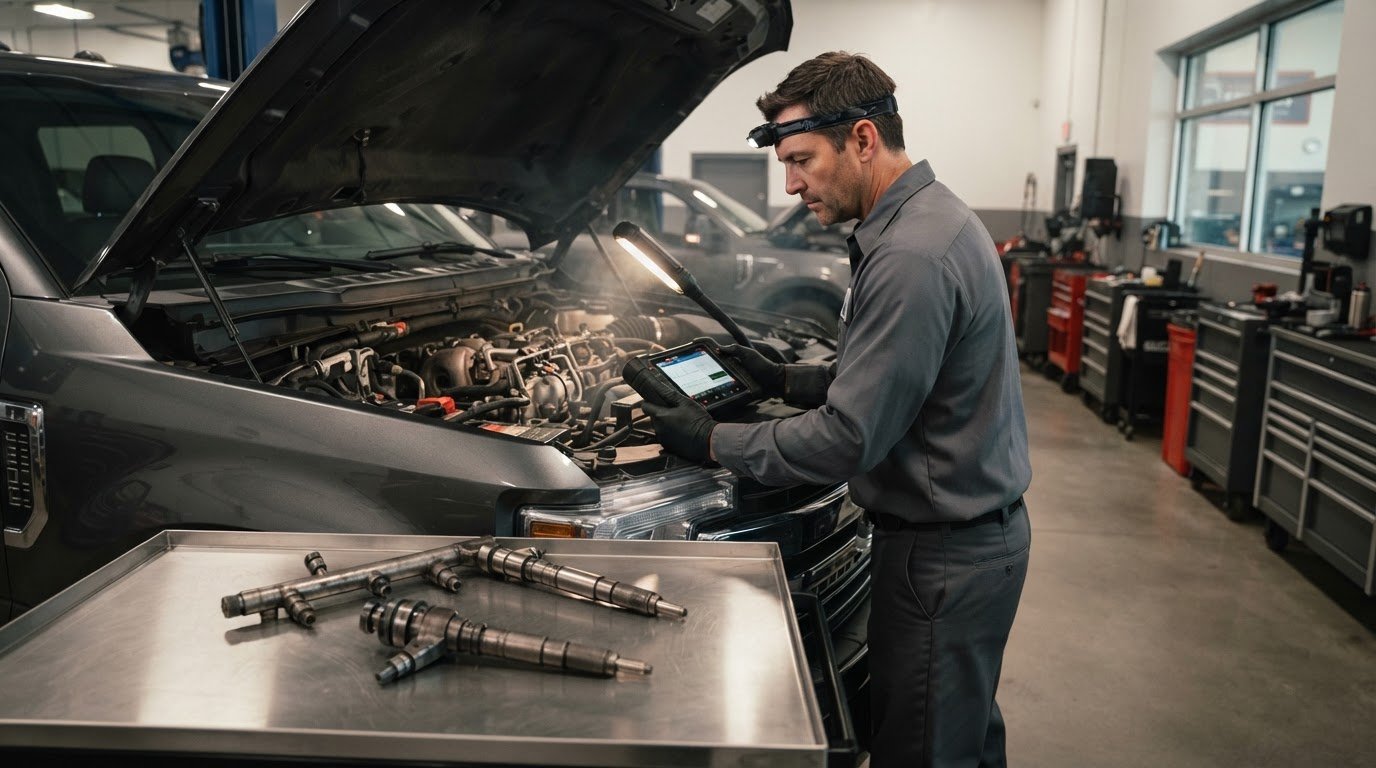
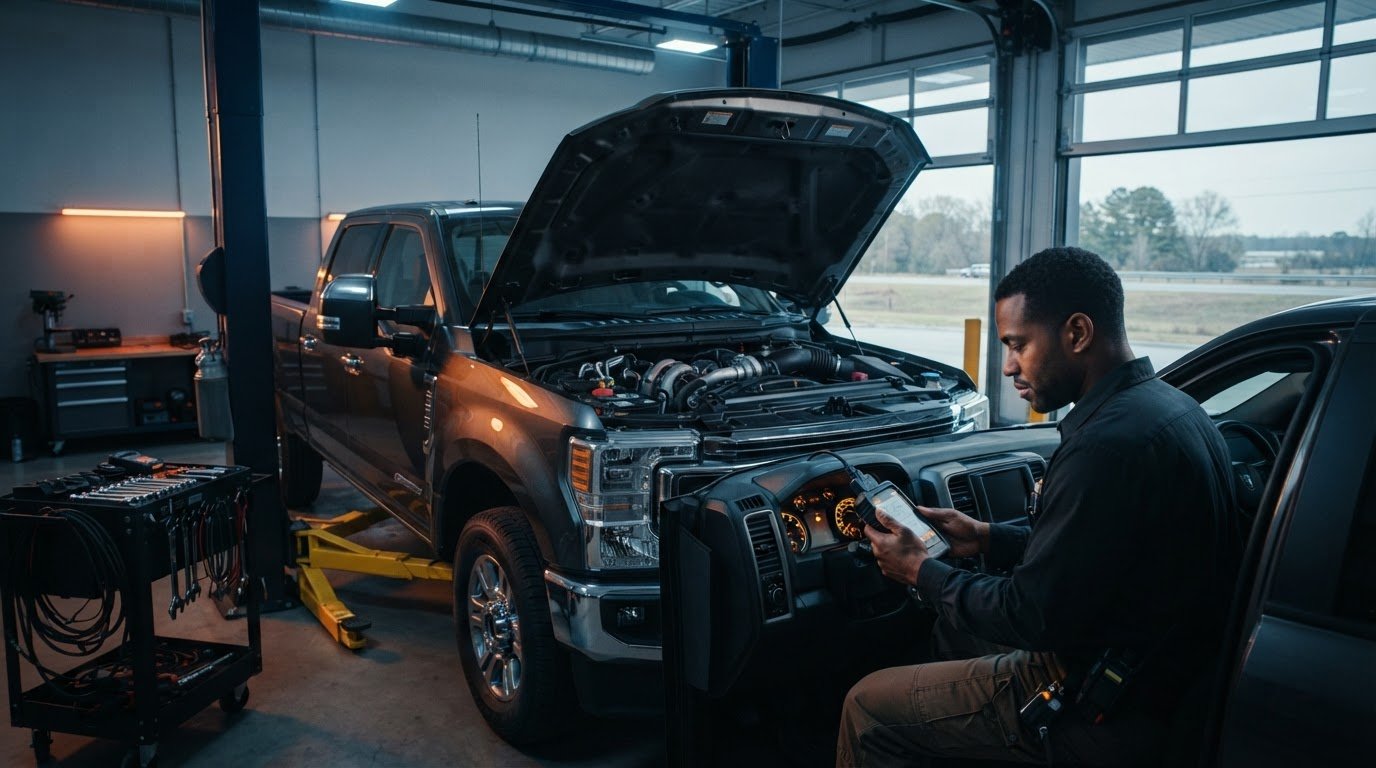
A diagnostic scan can reveal stored fault information, but it doesn’t replace an inspection or prove that a particular part has failed. Technicians use scan results as a starting point, then test relevant components and connections to narrow down the cause. A thorough diagnostic inspection can help distinguish a sensor or wiring concern from a fluid, electrical, or other brake system issue. If the lights remain on, discuss the warning and any symptoms with the repair team at On Top Diesel & Automotive.
ABS Light vs. Brake Light: Symptoms That Help Judge Urgency
The lights give you clues, but they can’t tell you exactly what has failed or whether the vehicle is safe to drive. Compare which warning is showing with how the brakes feel and respond. Abnormal braking behavior matters more than assumptions based only on dashboard lights.
| Warning pattern | What it may indicate | What remains unknown |
|---|---|---|
| ABS light only | The anti-lock feature may be unavailable or have detected a fault. | The cause, and whether other brake concerns are present, needs diagnosis. |
| Brake warning only | The parking brake may be engaged, or the vehicle may have detected another brake system concern. | The light’s meaning depends on the vehicle and doesn’t identify the underlying issue. |
| ABS and brake lights together | The warnings may relate to interconnected systems or separate detected faults. | The lights alone can’t establish the cause or confirm that braking is dependable. |
When only the ABS light stays on
Conventional braking may remain available when only the ABS light is on, but anti-lock assistance may be affected. That isn’t a guarantee about your vehicle’s braking condition. If the brakes feel normal and the owner’s manual doesn’t advise against driving, proceed cautiously and arrange an inspection. Review the related guide to single ABS warning light causes and next steps for more detail.
When the brake light joins the ABS warning
The added brake warning calls for more caution than an ABS light alone. If it appears briefly because the parking brake is engaged, release the brake fully while safely parked and check the owner’s manual. If the light stays on afterward, take it seriously. With both lights on, don’t rely on normal pedal feel or an intermittent warning as proof that it’s safe to continue.
Pulling to one side, grinding, unusual pedal travel, a soft or sinking pedal, or reduced braking are reasons to stop safely. If you see a fluid leak or notice any change in braking, arrange assistance rather than driving on. Even without obvious symptoms, persistent paired warnings merit prompt attention and a professional brake inspection.
Checklist: What to Do When Both Brake Warning Lights Are On
If the abs and brake light on warning appears together, use this checklist once you’re safely parked. Don’t drive on just to see whether the lights go away.
- Park in a safe place. If braking feels reduced or unpredictable, or the pedal feels different, stop as soon as you safely can. Don’t stand in traffic or move the vehicle to make these checks.
- Check the parking brake. Confirm it’s fully released while the vehicle is safely parked. If the brake warning remains on, don’t assume the parking brake was the only cause.
- Read the owner’s manual. Look up the exact dashboard warnings and follow any instructions for your vehicle. Indicator meanings and recommended actions can vary by model.
- Look for obvious signs of leakage. From a safe position, check the ground beneath the vehicle for visible fluid. Don’t crawl under the vehicle or touch an unknown fluid.
- Make a note of what happened. Record which lights stayed on, when they appeared, whether they flickered or remained lit, and any changes in braking. Include recent repairs or other dashboard warnings if you remember them.
When to stop driving and arrange a tow
Arrange a tow if braking is reduced or unpredictable, the pedal feels soft, sinks, or unusually firm, or you see fluid leaking. Don’t test the brakes with a hard stop on a public road to see whether ABS works. If you’re already in a safe place, stay there and arrange assistance rather than taking a chance on the drive.
If braking seems unchanged and there’s no visible leak, that still doesn’t prove the vehicle is safe to drive. Follow your owner’s manual and arrange prompt professional assessment, especially if both warnings remain on after the parking brake is released.
Sharing notes about the lights, timing, and braking symptoms can help the technician begin a thorough diagnosis. For help diagnosing your brake warning lights, tell the repair team what you observed.
How a Brake Diagnostic Helps Find the Cause and Restore Confidence
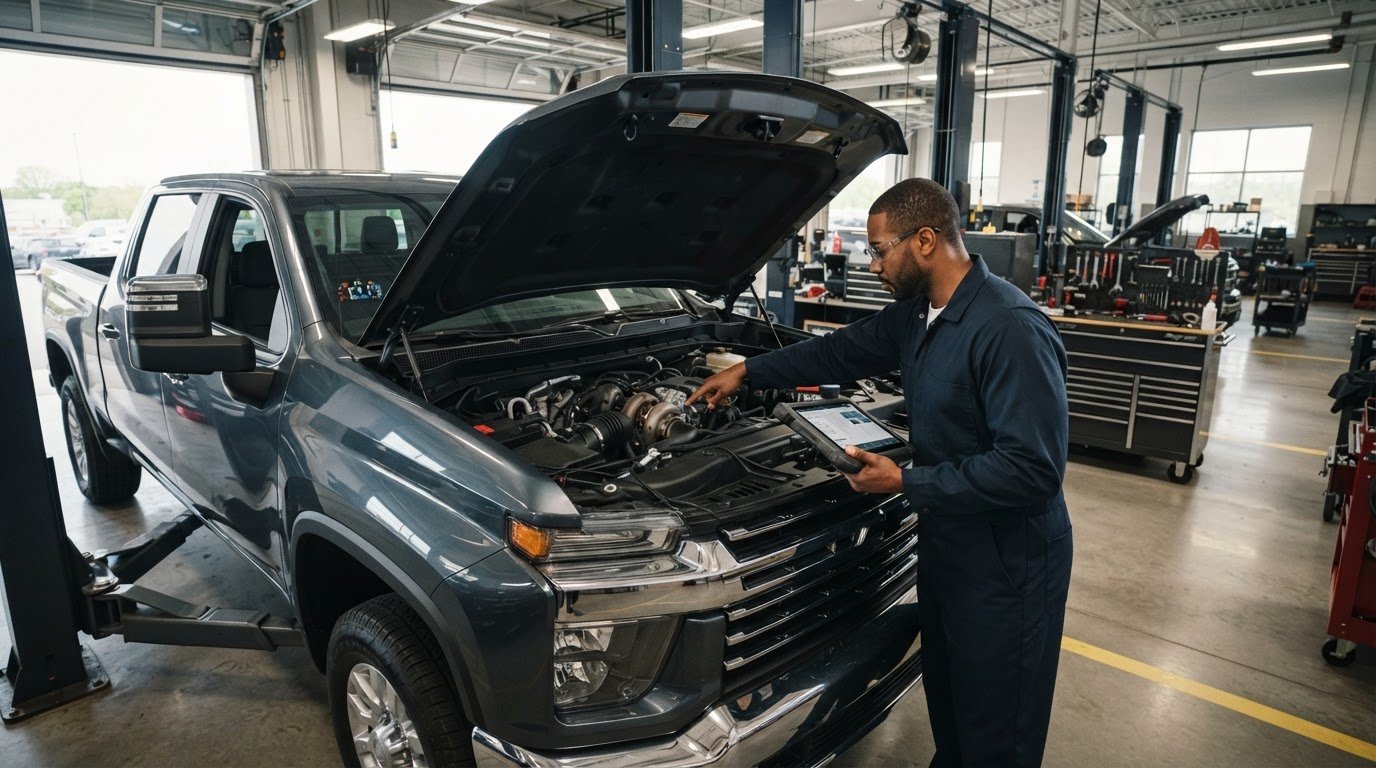
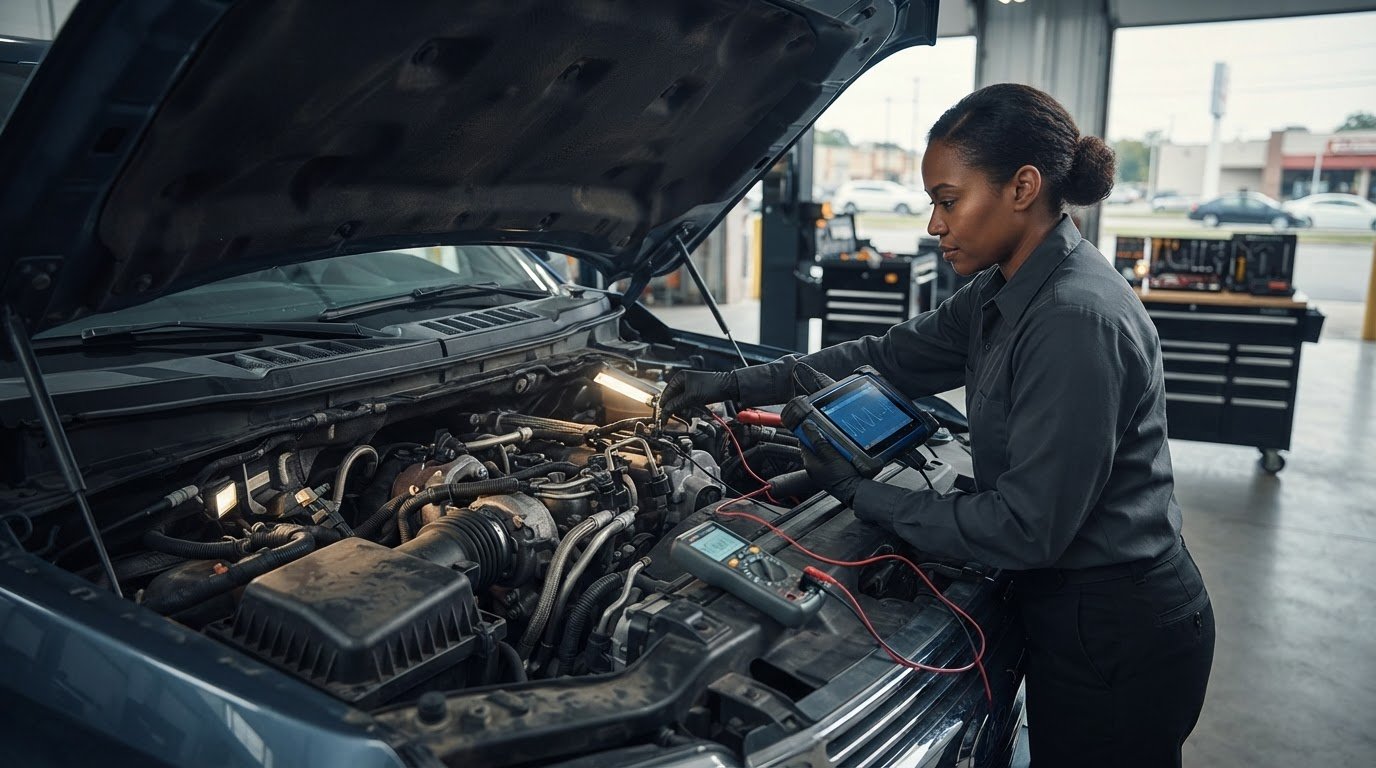
When both warnings remain on, a brake diagnostic replaces guesswork with a clearer picture of what the vehicle has detected. The inspection may start by retrieving stored ABS fault information, then continue with checks of related brake and electrical components. A code can point technicians toward a system or condition to investigate, but it doesn’t automatically prove that a particular part has failed.
What a technician may check during diagnosis
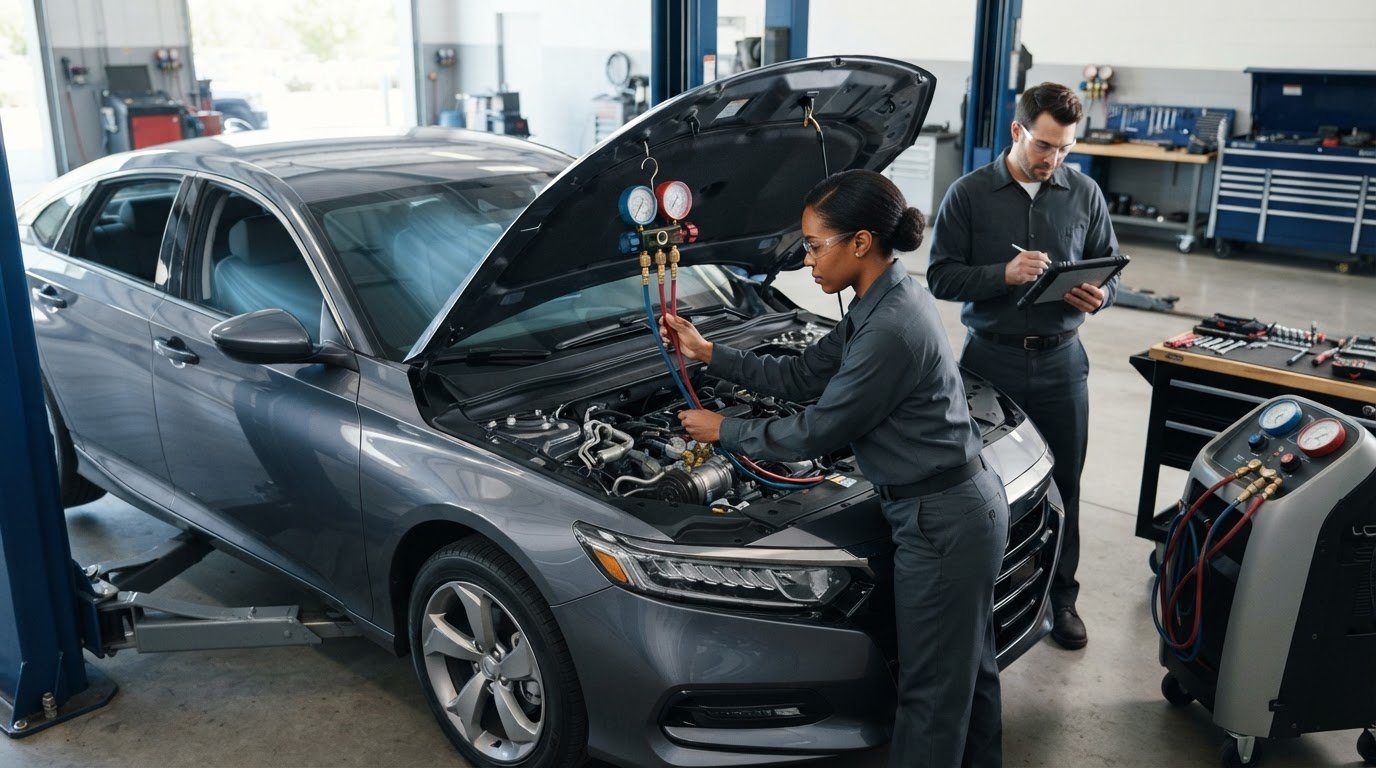
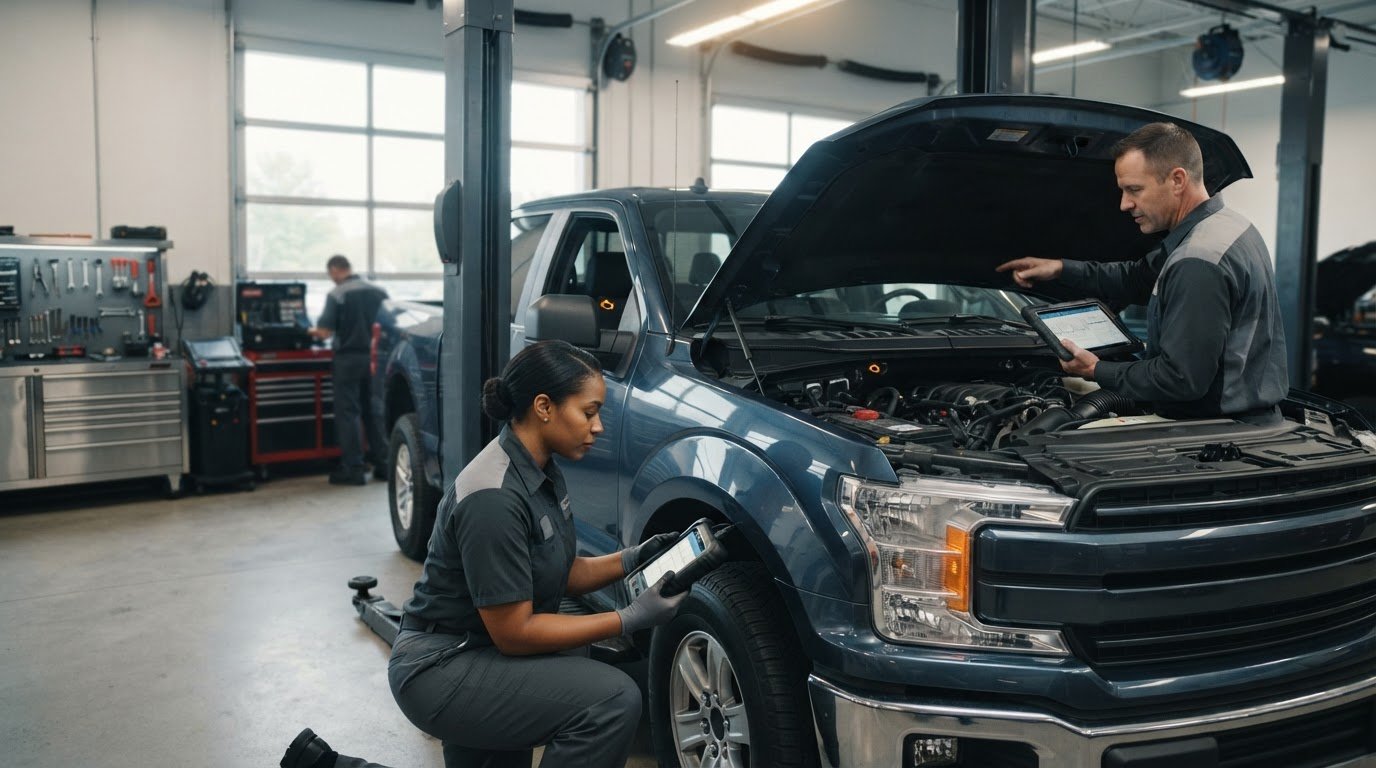
The inspection depends on the vehicle and the symptoms you describe. It may include checking sensor connections and wiring, assessing relevant electrical supply, and looking at brake fluid and visible brake system components. Technicians can also consider changes in pedal feel, noises, or braking response as they test possible causes. The goal is to connect the warning information with how the vehicle is behaving, then explain the findings and repair recommendations in practical terms.
If the inspection points to rotor wear or damage, learn more about when to replace brake rotors. A rotor concern may be part of the overall brake assessment, but the warning lights alone don’t establish that rotors are the cause.
What to share before the inspection
A few clear details can help the repair team understand the concern. Be ready to describe:
- When the lights first appeared and whether they remain on after restarting the vehicle.
- Whether the brake pedal feels soft, sinks, feels unusually firm, or travels farther than usual.
- Any grinding, unusual noises, pulling to one side, reduced braking, or visible fluid leakage.
- Recent brake work or other changes you noticed around the time the warnings appeared.
Even if the abs and brake light on warning is intermittent, noting when it occurs can help guide testing. On Top Diesel & Automotive’s ASE-certified technicians provide automotive diagnostics and brake repair, and can explain what they find without asking you to guess at a failed part. If you’re ready to discuss the warning and arrange an assessment, contact On Top Diesel & Automotive.
Take the Next Step With Clear Information
When the abs and brake light on warning appears together, the lights signal a concern, not a confirmed failed part. Their exact meaning can vary by vehicle, and a diagnostic scan is only one part of finding the cause. How the brakes feel matters too. Reduced braking, an unusual pedal, or visible fluid leakage calls for stopping safely and arranging a tow.
If both warnings remain on, note when they appeared and any changes in braking, then follow your owner’s manual and arrange a professional inspection. Sharing those details helps technicians investigate the concern instead of guessing from the dashboard alone.
On Top Diesel & Automotive provides automotive diagnostics and brake repair. ASE-certified technicians can assess the warning and explain repair needs in practical terms. For a clear next step, contact our team to arrange brake diagnostics. A careful inspection helps establish what your vehicle needs.
Frequently Asked Questions
Is it safe to drive with the ABS and brake light on?
Don’t assume it’s safe to drive when both warnings are lit. The abs and brake light on combination may point to a concern beyond anti-lock braking, and the lights alone can’t confirm how well the vehicle will stop. Stop somewhere safe and arrange a tow, especially if braking feels reduced or unusual, the pedal changes, or you see leaking fluid. Follow your owner’s manual for model specific instructions.
What does it mean when the ABS and brake lights come on together?
It means the vehicle has detected a concern involving the ABS, the wider brake system, or possibly both. Causes may include low brake fluid, a sensor or wiring fault, an electrical issue, or separate faults reported at once. The lights don’t identify a failed part. A diagnostic scan and inspection are needed to determine what triggered the warnings and whether the braking system has another concern.
Can I drive with the ABS light on but no other symptoms?
With only the ABS light on, conventional braking may remain available, but anti-lock assistance may be affected. No symptoms don’t guarantee the vehicle is safe or show what caused the warning. Check the owner’s manual first. If it gives no instruction to stop and the brakes feel normal, drive cautiously only as needed to arrange an inspection. Avoid hard braking and seek help if braking changes or another warning appears.
What should I check first when both brake warning lights are on?
Once safely parked, check that the parking brake is fully released and consult the owner’s manual for your vehicle’s warning meanings and instructions. Note which lights remain on, when they appeared, and whether the pedal or braking response has changed. You can look for visible fluid beneath the vehicle from a safe position, but don’t crawl underneath. If there’s a leak or abnormal braking, don’t continue driving.
Can low brake fluid turn on the ABS and brake lights?
Yes, low brake fluid can trigger a brake warning and may be associated with both lights on some vehicles. The warning doesn’t prove fluid is the cause, and a low level should not be treated as a harmless dashboard issue. Check your manual for the correct guidance. If you notice fluid leaking, reduced braking, or an unusual pedal, stop safely and arrange a tow for inspection.
Will an ABS code scan tell me exactly what part needs replacement?
No. A scan can retrieve stored fault information and help a technician decide what to test, but a code doesn’t automatically prove a specific part has failed. For example, a fault related to a wheel speed signal may call for checks of the sensor, its wiring, and connections. Technicians combine scan results with inspection and testing before explaining what they found and what repair may be needed.
What happens if I ignore the ABS and brake lights?
Ignoring the warnings may leave an ABS fault or a wider brake system concern unaddressed. Anti-lock assistance could be unavailable, and a separate braking problem may worsen or affect stopping. The lights won’t tell you how serious the cause is, so don’t wait for symptoms to become clearer. Follow the owner’s manual, stop safely if braking changes, and arrange a professional diagnostic inspection.