A dead battery doesn’t always mean the battery is the problem. Dimming headlights, a warning light, or trouble starting can point to a charging issue, but several faults can cause similar symptoms. If you’re searching for alternator replacement near me, ask for a clear diagnosis before approving the repair. The shop should explain what it tested and how the results support its recommendation.
Estimates can be hard to compare when one shop gives a quick answer and another explains the work in detail. This guide covers how a shop checks the battery and charging system, how to compare repair options, and what to ask about parts, labor, and coverage before you approve work. On Top Diesel & Automotive offers diagnostics and battery and electrical repair, with ASE-certified technicians. Use the checks below to make a decision based on test results, not symptoms alone.
Key Takeaways
- Warning lights and starting trouble can have more than one cause, so look for a diagnosis based on test results and inspection findings.
- Compare repair, replacement, and further diagnosis by asking what the evidence supports and whether the shop can handle the work.
- When searching for alternator replacement near me, confirm the shop works on your vehicle type and request a clear written estimate before approving repairs.
- Ask about technician qualifications, the proposed part, and any applicable coverage terms.
- Share your vehicle details and symptoms, then confirm the repair process and expected timing with the shop.
Alternator Replacement Near Me: Why Symptoms Alone Cannot Confirm the Fault
A battery warning light, dim headlights, or trouble starting can make alternator failure seem likely. Searching for alternator replacement near me may feel like the quickest next step, but the alternator is only one part of the charging system. Replacing it without checking other possible causes could leave the original problem unresolved.
An alternator generates electrical power while the engine runs, supplying the vehicle’s electrical systems and helping recharge the battery. The automotive alternator is a key component, but the battery, belt, wiring, and connections also affect charging. A symptom is a clue, not proof; a confirmed alternator diagnosis requires test results that support alternator failure.
What signs can point to an alternator problem?
A battery-shaped warning light, headlights that dim while driving, or accessories that behave inconsistently can indicate a charging problem. A battery that is discharged after a drive may also suggest it isn’t being recharged as expected. None of these signs identifies the failed component by itself.
Symptoms may come and go. Lights might seem dimmer under certain driving conditions, or starting trouble may happen only after the vehicle has been parked. Note when the problem occurs and what you observe. That information gives the technician useful context without treating one symptom as a definite diagnosis.
Why can the same symptoms have different causes?
If an alternator isn’t producing or delivering enough power, the battery may not recharge properly while you drive. A weak or discharged lead-acid battery can also struggle to start the engine, even if the alternator is working. Because both problems can leave you with a vehicle that won’t start, the starting symptom alone can’t distinguish between them.
The drive belt and electrical connections matter, too. A loose or worn serpentine belt may keep the alternator from turning as it should. Damaged wiring or loose, corroded connections can interrupt power even when the alternator and battery are in working order.
A shop should consider the full picture: your description of the symptoms and the condition of the battery, belt, wiring, and charging circuit. Ask which findings support the recommendation. A clear explanation helps you understand whether alternator replacement is warranted or another part of the system needs attention.
How a Shop Compares Alternator, Battery, and Wiring Problems
A careful diagnosis follows a sequence rather than treating a dashboard warning as an instruction to replace a part. The warning can point to a charging-system concern, but testing helps identify whether the cause is the alternator, battery, belt, wiring, or another part of the system. The specific procedure and specifications depend on the vehicle.
What checks help separate battery and alternator faults?
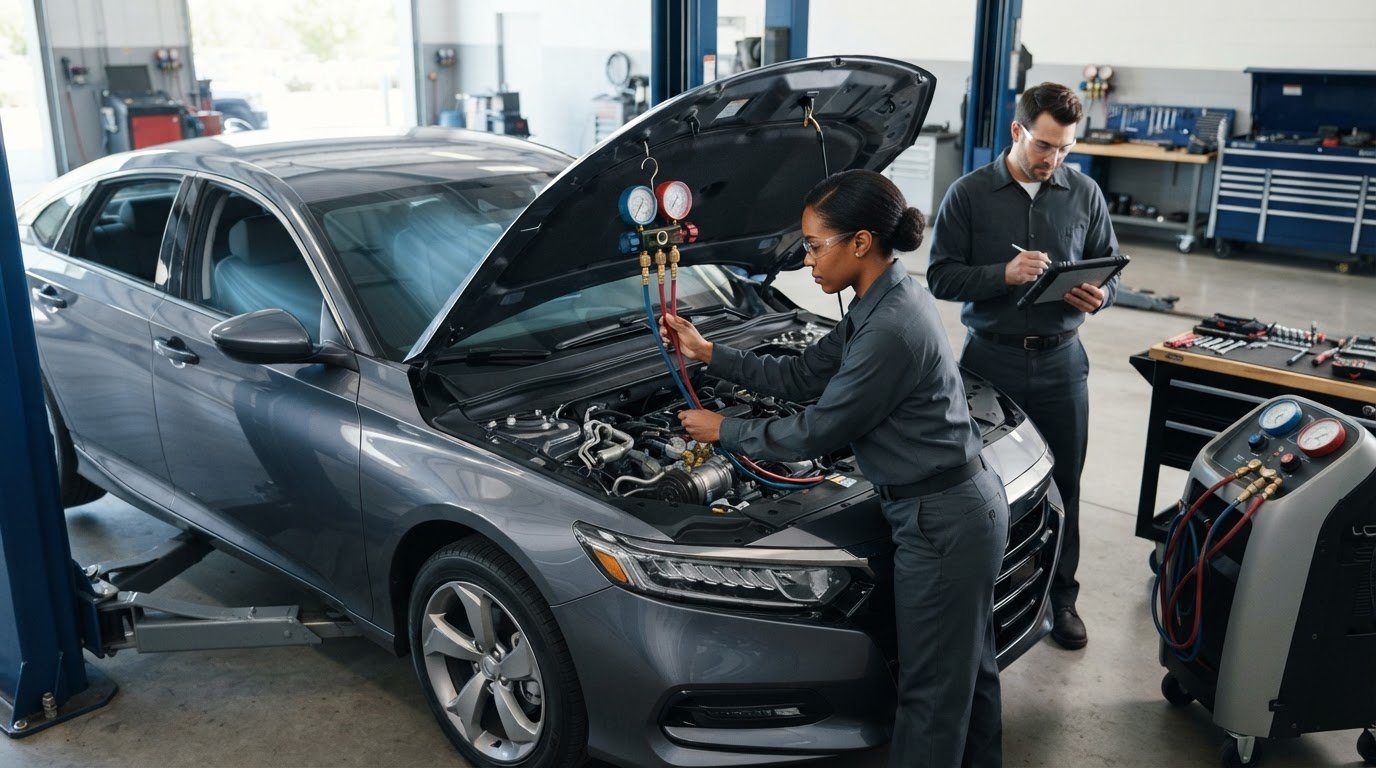
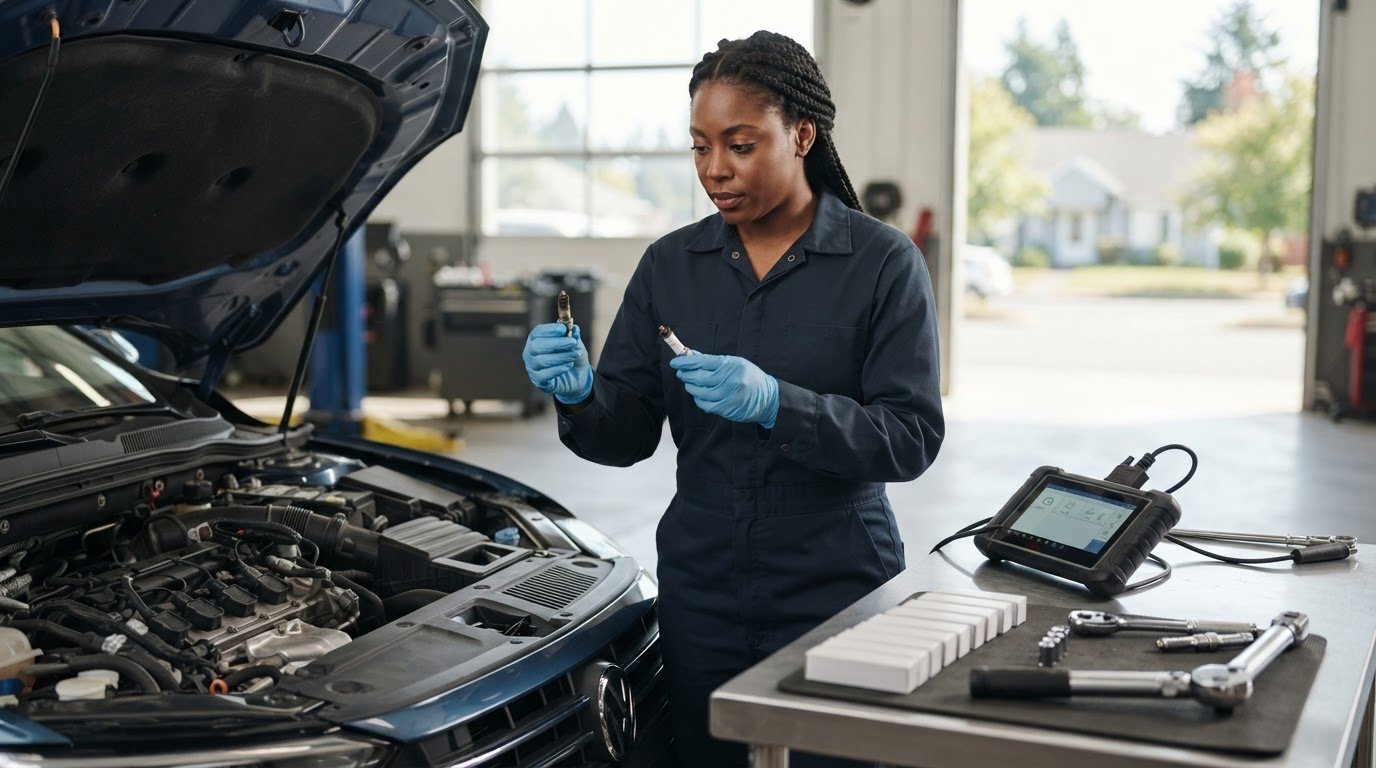
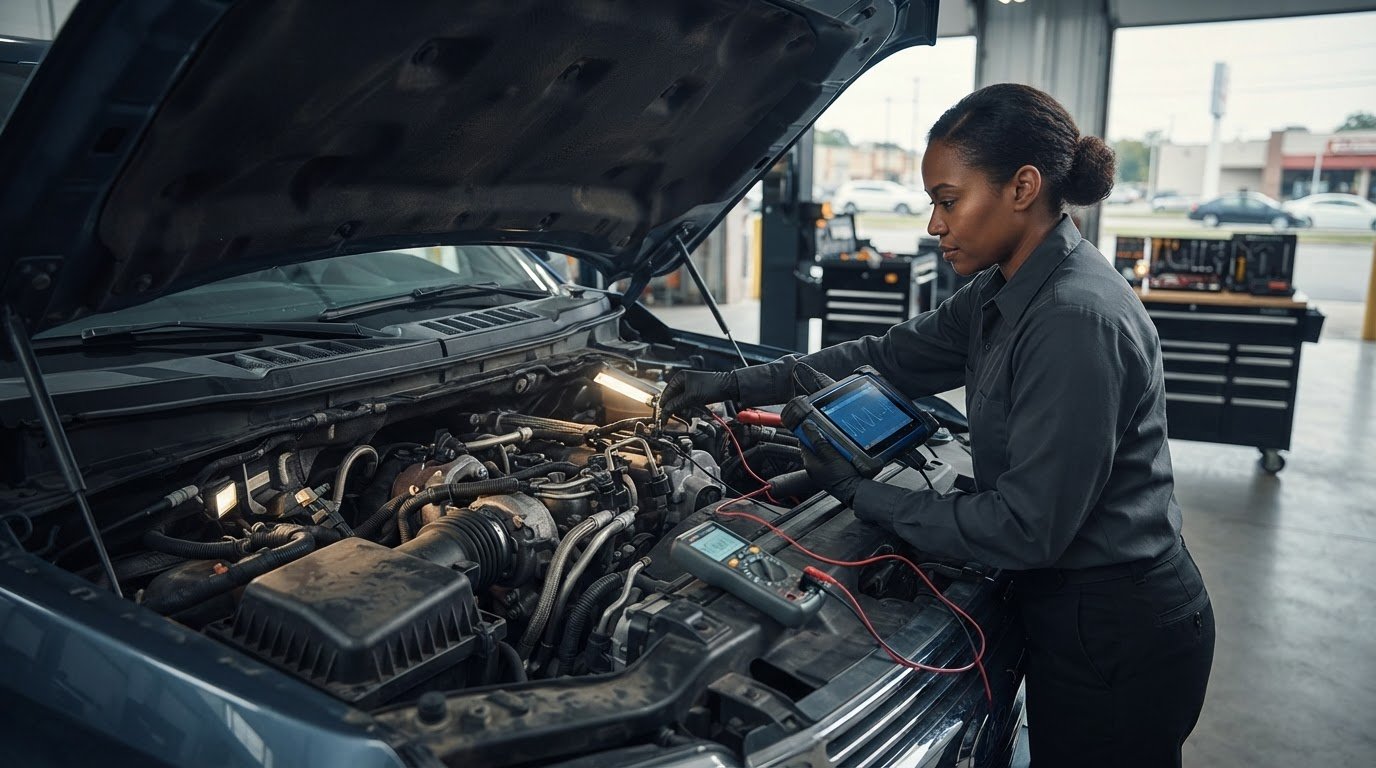
A technician may begin by asking when the problem occurs, such as during startup, after a long drive, or when electrical accessories are in use. That history helps put the test results in context. The shop can inspect the battery terminals and cables, look for visible damage, and check the serpentine belt for looseness or wear.
Battery testing helps assess whether the battery can hold and provide power as expected. Charging-system testing checks whether power is being produced and delivered while the engine runs. Neither result should be considered in isolation. A weak battery can affect performance, while a poor alternator test result may not tell the whole story if a belt or connection is compromised.
Charging-system testing can help prevent an unnecessary replacement by showing whether the alternator is failing or another fault is interrupting power.
When do wiring, belt, or control issues matter?
Corrosion at a terminal, a loose connection, or damaged wiring can restrict electrical flow between components. A worn or slipping belt can also interfere with alternator operation. Some vehicles adjust charging behavior through control systems, so a technician may need to account for vehicle-specific operation instead of relying on one reading or a universal voltage target.
Ask which test result supports the recommended repair and whether the inspection found another issue that could explain the symptoms. A diagnostic check evaluates the system; it’s different from replacing the part associated with a warning light without confirming the fault. If you’re searching for alternator replacement near me , choose a shop that explains its findings before you approve work.
For broader guidance on comparing providers and estimates, the Federal Trade Commission offers advice on choosing a repair shop. A useful explanation connects the symptoms, inspection, and test results. Drivers looking for an initial professional assessment can also review diagnostics and battery and electrical services from On Top Diesel & Automotive.
Alternator Repair or Replacement: How to Compare the Options
After the charging system has been checked, ask how the findings support the recommended next step. A low charging result, for example, doesn’t automatically mean the alternator itself needs repair or replacement. The cause could be a belt or connection, or unclear results may need further testing.
| Option | When it may fit | Questions to ask |
|---|---|---|
| Repair a related issue | Testing or inspection points to a belt, connection, wiring, or other issue rather than a failed alternator. | What did the inspection find? How does that explain the symptoms? |
| Replace the alternator | Test results and inspection support alternator failure, and replacement is appropriate for the vehicle. | What part type is proposed? Does it match my vehicle’s year, make, and model? |
| Continue diagnosis | Results are inconsistent, incomplete, or don’t clearly identify the cause. | What needs further checking? What findings would confirm the next step? |
When might repair or further testing be considered?
A damaged connection, worn belt, or wiring problem may be the source of a charging concern. Addressing that fault could be more appropriate than replacing a working alternator. If test results don’t match the symptoms or vary between checks, ask whether more diagnosis is needed before authorizing parts or labor.
Whether an alternator can be repaired depends on the vehicle’s design, the component’s condition, and the shop’s capabilities. Not every alternator can or should be rebuilt. Ask the technician to explain why repair, replacement, or additional testing fits the evidence for your vehicle.
What should drivers ask about replacement parts?
If replacement is recommended, ask whether the proposed part is new, remanufactured, or another specified type, and why it suits your vehicle. Confirm compatibility with its year, make, and model. Before approving work, ask the shop to explain parts coverage and labor coverage separately, including the applicable terms.
Drivers searching for alternator replacement near me can use these questions to compare more than the proposed repair. The shop’s explanation should connect the test results to the selected option and make the part and coverage terms clear.
How to Compare Alternator Replacement Shops Near You
Compare how a shop reaches its recommendation, not just how quickly it offers to replace a part. If you’re searching for alternator replacement near me , call or check the shop’s information before arranging an appointment. Confirm it works on your vehicle type, whether passenger vehicle or truck, and ask what charging-system testing is included before authorizing repairs.
Which questions help you judge a repair recommendation?
A clear recommendation should connect your symptoms to the inspection and test findings. Ask what checks identified the fault, whether the battery and other likely causes were considered, and what the results mean for your vehicle. Request a written estimate before approving work, with parts, labor, and any additional recommended work explained separately.
Agree on how the shop will handle new findings. Ask whether it will contact you for approval if testing uncovers another issue or changes the recommended work. This gives you a chance to understand the next step before the scope of the repair changes.
What qualifications and communication should you look for?
Ask about the qualifications of the technician who will assess your vehicle. ASE certification is one practical point to discuss when comparing shops. On Top Diesel & Automotive has ASE-certified technicians and offers diagnostics along with battery and electrical repair services.
Look for explanations in everyday language, not unexplained codes or pressure to decide immediately. The shop should be able to describe what it found and why the proposed repair fits. Before authorizing work, ask which part type is being considered and request applicable parts and labor coverage terms separately. Confirm appointment expectations and ask whether post-repair checks are planned.
- Vehicle fit: Does the shop service your vehicle’s type, year, make, and model?
- Diagnostic process: What testing is included, and what results support the recommendation?
- Technician qualifications: Who will assess the vehicle, and what relevant qualifications do they hold?
- Estimate and approval: Does the written estimate separate parts, labor, and other recommended work? Will the shop ask before proceeding with additional work?
- Parts and follow-up: What part type is proposed, what coverage applies, and what post-repair checks should you expect?
A shop that answers these questions plainly can help you make a more informed decision before approving repairs. To learn more about On Top Diesel & Automotive’s diagnostic services, review its service information and confirm whether it can assess your vehicle’s charging concern.
What to Expect During Professional Alternator Replacement
A professional visit should start with understanding the concern and confirming the work, not with an automatic part swap. The shop will typically ask for your vehicle details and a description of what you’ve noticed, then assess the charging concern and explain its findings. If testing confirms alternator failure, you should receive an estimate and have the opportunity to approve the work before repairs begin.
Repair steps and timing vary by vehicle. An alternator that’s easy to reach may require a different process from one located behind other components. Ask about the expected schedule after the shop knows your vehicle and the work involved. If you’re searching for alternator replacement near me , confirm that the shop services your vehicle type and ask whether it handles alternator diagnosis and replacement.
How can you prepare for an alternator service appointment?
A few details can help the technician understand the problem and plan the visit. Before you call or arrive, note when symptoms occur, whether a warning light comes on, and whether starting trouble happens consistently or only in certain conditions. Share the vehicle’s year, make, and model, along with details of any recent battery or electrical repairs.
Ask whether the shop needs the vehicle left for testing or repair, and confirm appointment expectations. That helps you plan around the diagnostic process without assuming every vehicle can be assessed or repaired on the same schedule.
What should you confirm before approving the work?
Before authorizing repairs, review the diagnosis and how it supports alternator replacement. Confirm the proposed part type, labor, and any additional recommended work. If anything is unclear, ask for an explanation in plain language. You can also ask which checks are planned after installation to verify charging operation. The specific post-repair checks may vary by vehicle and repair.
Keep a copy of the written estimate and approval details, and clarify any parts or labor coverage directly with the shop. A clear record helps you understand what was agreed to and what work was completed.
On Top Diesel & Automotive offers diagnostics and battery and electrical repair, with ASE-certified technicians. Contact the shop to discuss your symptoms and diagnostic needs, and confirm whether alternator-specific service is available before arranging a visit.
Choose Your Next Step With Confidence
Battery and charging symptoms can point to different faults, so let test results guide the repair decision. A careful shop should explain what it checked, why the findings support the proposed work, and what the estimate covers. These details make it easier to compare options and avoid approving alternator replacement based on symptoms alone.
If you’re searching for alternator replacement near me , look for a repair team that can assess the charging concern and answer your questions clearly. On Top Diesel & Automotive offers automotive and diesel diagnostics and battery and electrical repair, supported by ASE-certified technicians. Contact the shop to confirm whether alternator-specific service is available and discuss what your vehicle may need.
Talk with the On Top Diesel & Automotive team about diagnosis and repair options. With a clear assessment and written estimate, you can decide on the next step with greater confidence.
Frequently Asked Questions
How do I know if I need alternator replacement or a new battery?
Testing is needed to determine whether the battery or alternator is at fault, because their symptoms often overlap. A shop can check battery condition, assess charging performance, and inspect the belt, wiring, and connections. If the battery tests weak but charging operation is normal, the battery may be the problem. If charging tests point to alternator failure, replacement may be appropriate. Ask the technician to explain which results support the recommendation.
Can I drive with a failing alternator?
Driving may become unreliable if the alternator isn’t keeping the battery charged, and the vehicle could lose electrical power or fail to restart. How long it can continue running depends on the vehicle and the fault, so there’s no dependable distance to count on. Arrange an assessment rather than taking a long trip. If the vehicle’s operation or visibility is affected, pull over somewhere safe and seek assistance.
How long does alternator replacement take?
The time varies by vehicle because the alternator’s location and the steps needed to reach it differ. Diagnosis may also be needed before the shop can confirm replacement is the right repair. Share your vehicle’s year, make, and model when asking about timing, and check whether the shop needs you to leave the vehicle for testing or repair. The shop can give a more useful estimate after reviewing the vehicle and the work involved.
How much does alternator replacement cost?
The total depends on your vehicle, the part selected, and the labor needed to access the alternator. Ask for a written estimate that separates parts and labor, identifies the proposed part type, and lists any additional recommended work. If you’re comparing options after searching for alternator replacement near me , compare estimates based on the same diagnosis and ask each shop to explain what its estimate includes.
Can a bad alternator drain a car battery?
Yes. If the alternator isn’t charging properly while the engine runs, the battery may not be replenished as the vehicle uses electrical power. The battery can then become discharged and may struggle to start the car. A weak battery or a wiring or connection problem can cause similar trouble, so a discharged battery alone doesn’t prove the alternator has failed. Have the charging system and battery checked before choosing a replacement.
Will a new alternator fix a battery warning light?
Only if alternator failure is causing the warning light. The light can indicate a charging-system problem, but a belt, wiring, connection, or other fault may also be responsible. A shop should test the system before recommending replacement. After repair, ask what checks will confirm charging operation and whether the warning light is off. If it remains on, contact the shop about further diagnosis rather than assuming the issue is resolved.
What should I ask a shop before approving alternator replacement?
Ask what tests confirmed alternator failure, whether the battery, belt, and connections were checked, and why replacement fits the findings. Request a written estimate that separates parts, labor, and other work. Confirm the proposed part type, its fit for your vehicle, applicable parts and labor coverage, and whether the shop will seek approval before adding work. You can also ask about the technician’s qualifications. On Top Diesel & Automotive has ASE-certified technicians.