A rough shift or sudden slip can make you wonder whether it’s safe to keep driving. When you notice signs transmission is failing, it’s natural to worry that every mile could make the problem worse. But a symptom is a clue, not a diagnosis. Shifting trouble can also come from engine, electrical, or other drivetrain issues.
Delayed or harsh shifts, slipping gears, fluid beneath the vehicle, a burning smell, or unusual grinding and whining sounds all deserve attention. None confirms transmission failure on its own. Guessing can lead to the wrong fix or delay the right one, so the next step depends on what’s causing the symptom and how the vehicle is behaving.
This guide explains common warning signs, other possible causes, and when it’s safer to stop driving and arrange an inspection. You’ll also learn what professional diagnostics can reveal and how ASE-certified technicians can help pinpoint the issue before repair decisions are made.
Key Takeaways
- Common signs transmission is failing can indicate a concern, but no single symptom confirms the cause.
- Shifting problems may involve mechanical, hydraulic, electrical, or control components, so avoid diagnosing by symptom alone.
- Compare what you notice with other possible vehicle faults, and keep track of when the symptoms occur.
- Consult your owner’s manual and arrange an inspection if concerns persist. Stop safely if the vehicle won’t move or feels hard to control.
- Professional diagnostics combine your observations with appropriate testing to help distinguish transmission trouble from related faults.
Signs Your Transmission May Be Failing: Shifting, Smells, Sounds, and Leaks
Individual symptoms can signal a problem, but they don’t confirm transmission failure. A shudder, rough shift, or warning light can have more than one cause. Treat each change as useful information rather than a diagnosis. The signs transmission is failing are easier to explain when you note what happened, when it happened, and whether it keeps happening.
Shifting relies on interacting mechanical, hydraulic, electrical, and control components. A fault elsewhere can affect how the vehicle feels, too. A basic overview of how an automatic transmission works can help explain why several systems may be involved, but an inspection is needed to identify the cause in a specific vehicle.
What transmission slipping and delayed engagement can feel like
Slipping may feel like the engine speeds up, but the vehicle doesn’t accelerate as expected or maintain a steady connection to the selected gear. The sensation may come and go, so note the circumstances instead of trying to reproduce it. Record whether it happens during a shift, when moving away from a stop, or under another condition you noticed.
Delayed engagement is a pause between selecting Drive or Reverse and feeling the vehicle respond. Also note harsh or erratic shifts, difficulty selecting a gear, or a gear that doesn’t seem to stay engaged. A single brief episode differs from a recurring pattern, but either is worth describing if it concerns you.
Sounds, smells, fluid leaks, and dashboard warnings
Unfamiliar whining, grinding, or clunking sounds, along with a burning odor, are reasons to arrange an inspection. Try to remember when the noise or smell appears and whether it changes with gear selection or vehicle movement. Don’t assume the source based on sound alone, since nearby drivetrain or engine components may also be involved.
If you see fluid beneath the vehicle, note where it appears, such as near the front, center, or side, and whether the spot grows. Fluid color alone can’t confirm that the leak is transmission fluid. Dashboard warnings also differ by vehicle. Check the owner’s manual to understand a displayed light or message, then include it in your notes.
A short record can make the concern clearer when you arrange a professional inspection. Include:
- What you felt, heard, smelled, or saw.
- When it happened and what the vehicle was doing.
- Whether it happened once or has returned.
- Any dashboard warning and whether the symptom is getting worse.
Keep the description factual. “The engine revved, but the vehicle barely picked up speed” gives a technician more to work with than a guess about which part has failed. If the vehicle won’t move or feels difficult to control, stop in a safe place and seek assistance rather than continuing to drive.
What Transmission Failure Symptoms Can Reveal About the Problem
A warning sign is evidence worth investigating, not proof that a transmission needs replacement. The signs transmission is failing can help identify a change in how a vehicle operates, but they can’t tell you which part is responsible or what repair is needed. That distinction helps keep concern in perspective while still taking a persistent problem seriously.
Shifting depends on several systems working together. Mechanical parts transfer power, hydraulic pressure helps apply the selected gear, and electrical components and control systems guide how and when shifts happen. A problem in one area can affect what you feel, while an issue elsewhere in the vehicle may produce a similar sensation. That’s why a technician looks beyond the symptom before recommending a repair.
A transmission symptom identifies a change, while testing identifies its cause. The timing and conditions of that change provide useful clues, not a guaranteed answer. For example, a concern that appears only after the vehicle has been driven for a while gives a different diagnostic starting point from one that occurs as soon as the vehicle is started. Neither detail proves a specific fault, but both help direct a careful inspection.
Why slipping, hard shifts, and delayed engagement need context
Recurring symptoms under similar conditions are more useful to describe than a single impression without context. Note whether a shift feels harsh repeatedly, whether a delay happens each time you select a gear, or whether the concern appears only in a particular situation. These patterns help technicians narrow what to examine without assuming one failed component based on a driver’s description alone.
Vehicle age, design, and maintenance history also matter. Different transmissions can respond differently to similar faults, and previous service or repairs may help explain what a technician finds. Share what you know, including when the concern began and whether it has changed. Clear observations support a better diagnosis, but they don’t replace testing.
Why fluid condition or a warning light cannot tell the whole story
Fluid concerns can be relevant, but checking transmission fluid isn’t the same on every vehicle. Some vehicles require a specific procedure, while others may not have a conventional dipstick for a driver to use. Follow the owner’s manual rather than guessing at the fluid level or condition. A fluid observation may add context, but it can’t establish the full cause by itself.
Warning lights and messages also vary by vehicle. Consult the manual for the meaning of the indicator and any instructions on what to do next. Don’t assume a warning light names the failed part. It may signal a condition that needs further diagnosis.
On Top Diesel & Automotive provides diagnostics and transmission work, with ASE-certified technicians who can assess symptoms alongside vehicle-specific information and test results. If a concern keeps returning, professional transmission diagnostics can help distinguish a transmission fault from another source before repair decisions are made.
Transmission Trouble or Another Fault? How to Read Overlapping Symptoms
Similar driving symptoms can come from outside the transmission. A vehicle that hesitates or struggles to accelerate might have an engine performance issue, a transmission concern, or a problem with electrical controls. Even the signs transmission is failing aren’t a standalone test of any one part. Treat them as clues to share during diagnosis, not as a reason to decide which system is at fault.
The comparison below shows why symptoms need context. These possibilities are examples, not a way to rule out transmission trouble at home.
| What you notice | Other possible system | Why inspection matters |
|---|---|---|
| Weak acceleration or hesitation | Engine performance or fuel and air delivery | The engine may not produce power as expected, or the drivetrain may not transfer it smoothly. Inspection helps separate these possibilities. |
| Unexpected shift behavior or delayed engagement | Electrical controls or related drivetrain components | A shift concern can involve more than one part or system, so the vehicle’s response needs to be assessed as a whole. |
| Warning light or unfamiliar noise | Engine, electrical, or other vehicle systems | Lights and sounds point to a condition worth investigating, but don’t identify a failed component by themselves. |
When engine or electrical trouble can resemble a transmission problem
Poor acceleration isn’t automatically a transmission symptom. An engine that isn’t delivering power can feel sluggish, while a transmission or drivetrain issue can affect how power reaches the wheels. Electrical and control problems may also change how the vehicle responds. A diesel engine diagnostics guide can help explain how engine concerns are investigated, but symptoms alone can’t rule transmission trouble in or out.
How to record useful details without trying to diagnose the vehicle
Make a brief note of what happened, when it occurred, and whether it repeats. Record any dashboard message, sound, odor, hesitation, or shift change, along with recent changes in performance. Those details help a technician focus the inspection without relying on guesses. Keep routine engine maintenance separate from transmission concerns. An engine oil change guide addresses engine oil, not transmission-fluid service.
Warning lights and noises are useful clues, but neither works as a standalone component test. The same is true of a single moment of hesitation. Describe what you experienced in plain terms, then let vehicle-specific diagnostics determine which system needs attention. On Top Diesel & Automotive’s ASE-certified technicians handle automotive and diesel diagnostics, including transmission concerns, to help distinguish overlapping faults before repair decisions are made.
What to Do When Your Transmission Starts Failing
Not every unusual shift means the transmission is failing, but repeated or worsening behavior deserves a sensible response. If you notice signs transmission is failing, focus first on safety, then record what’s happening and arrange an inspection if the concern persists. Avoid trying to identify a failed part yourself. Clear observations are more helpful than a guess.
- Note the symptoms. Record the change you noticed and when it occurred. Include whether it has happened once or more than once.
- Consult the owner’s manual. Check the vehicle-specific instructions for dashboard warnings and any recommended response.
- Arrange an inspection if concerns persist. Share your observations so a technician can assess the vehicle and determine what testing is appropriate.
When to stop driving and arrange help
If the vehicle won’t engage a gear or move, is slipping severely, or behaves in a way that makes it hard to control, stop in a safe place. Arrange appropriate roadside assistance or towing rather than attempting to continue. Don’t repeatedly shift between gears to force engagement, and avoid driving through severe or worsening symptoms. There isn’t one mileage or time limit that fits every vehicle, so let the vehicle’s behavior and safety guide your next step.
What information to prepare before a diagnostic visit
A short, factual account can help the technician understand the concern without steering the diagnosis toward a guess. Note when the behavior started, what the vehicle was doing at the time, and whether it repeats. Include dashboard messages, unfamiliar sounds or odors, and where you noticed any visible fluid beneath the vehicle.
It can also help to share relevant service or repair history, especially if work was recently done or the symptom began after a change in vehicle performance. You don’t need to identify the cause or perform your own tests. Simply describe what you observed and mention whether the issue seems to be getting worse.
- The exact shift or engagement behavior you noticed.
- When it happens and whether it has occurred again.
- Any warning lights or messages shown on the dashboard.
- Unusual sounds, odors, or the location of a visible leak.
- Relevant maintenance or repair history you can recall.
These details help start a focused inspection, but diagnosis still depends on the vehicle and appropriate testing. On Top Diesel & Automotive provides diagnostics and transmission repair, with ASE-certified technicians handling diagnostic work. If a persistent concern needs professional attention, arrange transmission diagnostics and repair to help identify the cause and consider the next step.
How a Professional Transmission Diagnosis Finds the Cause
A symptom can point to a concern, but a careful diagnosis connects what you noticed with the vehicle’s design and test results. The process starts with your observations: what changed, when it happens, and whether the concern repeats. Vehicle details and service history can help technicians decide what to examine instead of treating a symptom checklist as a repair plan.
Even familiar signs transmission is failing may overlap with engine, electrical, or other drivetrain problems. An inspection and appropriate testing help separate those possibilities. The exact steps depend on the vehicle and the concern, so a sound diagnosis doesn’t necessarily follow the same sequence of checks on every car or truck.
What technicians may inspect and test
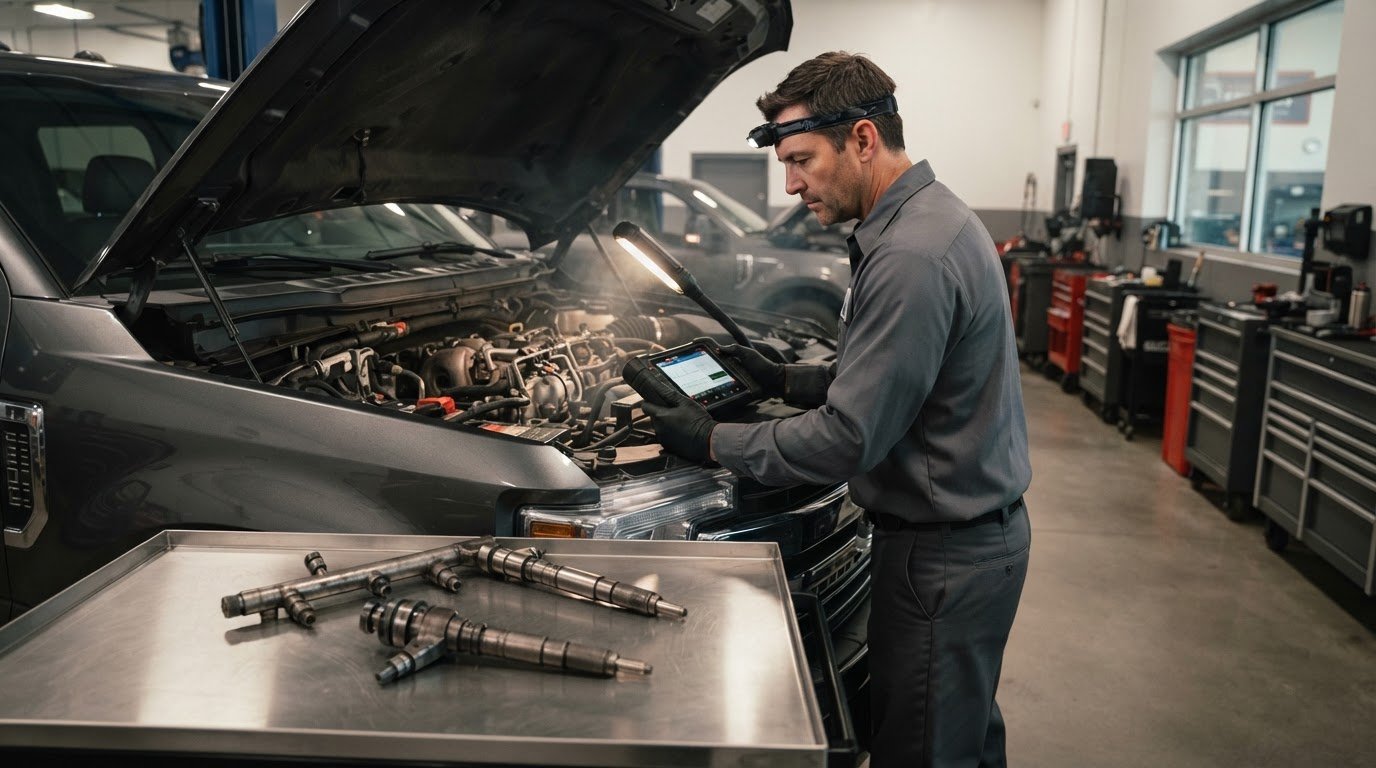
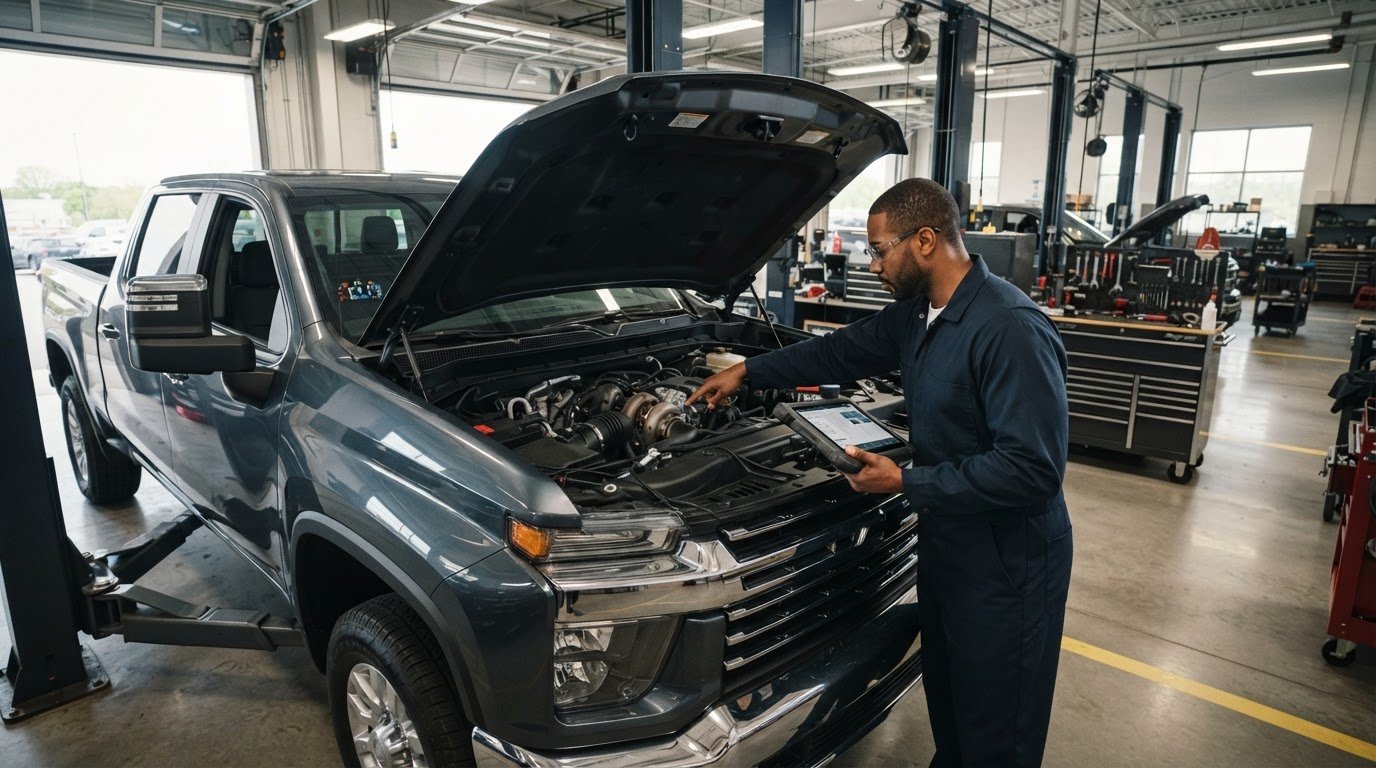
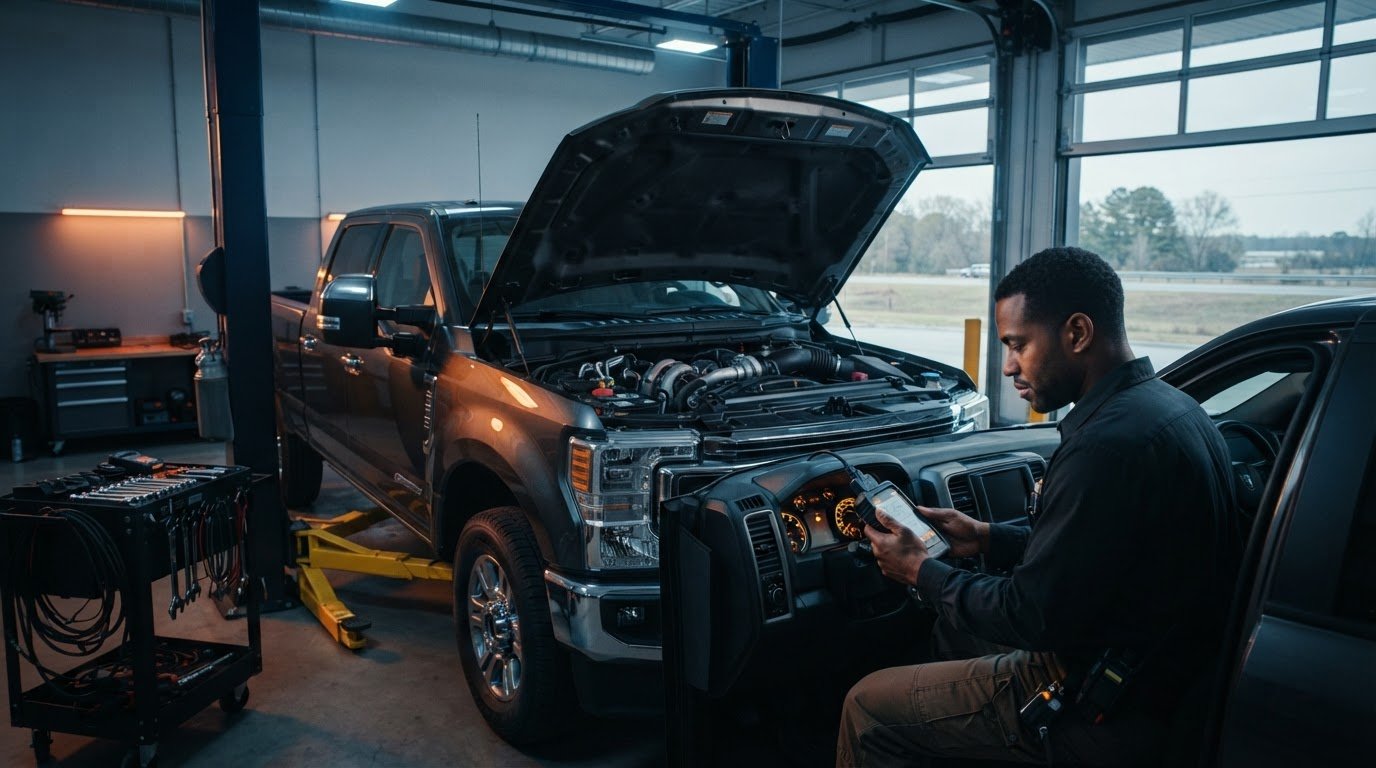
Technicians can use your description to guide a vehicle-specific inspection and choose relevant tests. Depending on the concern, this may involve checking for stored fault information, inspecting components, reviewing fluid condition, or carrying out other appropriate tests. Results help show whether the concern is inside the transmission or related to another system. Findings should identify the issue before repair recommendations are made.
Clear communication is part of the process. Ask for an explanation of what the inspection found, how the results relate to the symptom, and what work is being recommended. You should understand the concern and the proposed next step before repair work begins. If more than one option is appropriate, the explanation should make the differences clear.
How transmission repair options follow the diagnosis
The right repair depends on the fault found and the vehicle’s condition. Some concerns may call for transmission repair, while other findings can point to a related system or a different approach. Transmission repair and replacement services are among the options available at On Top Diesel & Automotive. The diagnosis, not a symptom alone, determines which path fits the specific vehicle.
A useful conversation covers what the technician found, what repair is being proposed, and whether there are maintenance considerations relevant to that vehicle. This gives you a chance to understand the recommendation and make an informed decision without guessing at the cause yourself.
- What did the inspection or testing show?
- How does that finding relate to the symptoms I described?
- What repair or maintenance step are you recommending, and why?
On Top Diesel & Automotive’s ASE-certified technicians handle automotive and diesel diagnostics and transmission work. If your vehicle has a persistent shifting or engagement concern, learn about automotive and diesel repair services and take a practical next step toward understanding the cause.
Take the Next Step With a Clearer Picture
Unfamiliar vehicle behavior can leave you weighing two worries: whether the problem is serious and whether the transmission is truly at fault. The signs transmission is failing are a reason to pay attention, not a verdict on what repair is needed. You can move forward without guessing by treating the symptom as the start of a conversation about what the vehicle needs.
A careful diagnosis gives you a sound basis for deciding what to do next. On Top Diesel & Automotive provides automotive and diesel diagnostics and repair, with ASE-certified technicians handling diagnostic work. Transmission repair and Jasper transmission installations are also available when the findings point in that direction. The right recommendation depends on the specific vehicle and diagnosis.
If a concern persists, take the next step with a team that can assess the vehicle and explain the findings. Learn about automotive and diesel repair services at On Top Diesel & Automotive. With a clearer understanding of the cause, you can make your next decision with greater confidence.
Frequently Asked Questions
What are the first signs of a failing transmission?
Early signs transmission is failing can include delayed engagement, slipping, rough or unpredictable shifts, unusual sounds, a burning odor, or a visible leak. These clues don’t confirm a transmission fault. Note whether the change happens only at startup or during a particular shift, and whether it returns. That context helps a technician assess the concern. If it persists or worsens, arrange an inspection rather than waiting for several symptoms to appear.
Can a transmission be failing if there is no warning light?
Yes. A transmission concern may show up through a change in how the vehicle shifts or responds without a dashboard warning. Warning systems differ among vehicles, and the absence of a light doesn’t establish that everything is working properly. If a message appears, use the owner’s manual to understand its vehicle-specific meaning. Keep track of recurring changes, even if the dashboard stays clear, and have them assessed if they continue.
Is it safe to drive with transmission slipping?
Slipping can make the vehicle’s response less dependable, so take it seriously. If the vehicle stops moving as expected, behaves unpredictably, or feels difficult to control, pull over somewhere safe and arrange assistance. Don’t keep driving to see whether the problem clears up. If the symptom isn’t immediately affecting control but keeps returning, avoid unnecessary trips and schedule an inspection. A technician can assess the vehicle rather than relying on how the symptom feels.
Can low transmission fluid cause shifting problems?
Low or unsuitable transmission fluid can be one possible factor in shifting trouble, but it isn’t the only explanation. Fluid-checking procedures and requirements vary by vehicle, and some models don’t use a familiar dipstick check. Consult the owner’s manual before taking any action, and don’t add fluid based on a guess about its type or level. If shifting has changed or you see a leak, an inspection can help identify what’s happening.
What does a burning smell from a transmission mean?
A burning odor can signal a vehicle problem, but smell alone can’t confirm that the transmission is the source. Pay attention to whether it appears once or returns, and whether you notice it alongside a change in shifting or vehicle response. If the smell is strong or recurring, stop driving when it’s safe and seek professional guidance. Share when you noticed it and any other changes, rather than assuming which part is responsible.
Can a bad engine cause symptoms that feel like transmission trouble?
Yes. An engine performance problem can affect acceleration and feel similar to a drivetrain concern. For instance, sluggish response may be noticeable without a clear change in gear selection, but that observation alone can’t rule out the transmission. Electrical or control issues can also affect how the vehicle responds. Write down what you felt and when it occurred, then have the vehicle diagnosed so the findings, not a guess, guide the repair.
How do technicians diagnose a transmission problem?
Technicians start with your description and information about the specific vehicle, then choose an inspection and tests suited to the concern. The process helps distinguish a transmission issue from engine, electrical, or other drivetrain faults. Be ready to describe when the symptom occurs, whether it repeats, and any dashboard messages or changes in sound or smell. Ask what the findings show and how they support the recommended repair before work begins.